“Do not touch me…” “Seriously,” I said. I’m not just the next generation: I’m a real survivor. Hard as old bread.
Quicker than grandma’s slippers thrown with boomerang precision. At the age of five, I could already “read” my mother’s mood to avoid collision;
At seven, I had a set of keys and instructions: “You can find food in the fridge.” And, from there, were all deductions.
At nine, I was my own chef, discovering my own taste. I knew what I liked, what I was and exactly the future I faced.
Spending days outside, without a phone, with just a well-planned route: the hill, the river, returning home at night, perhaps minus one mud-stuck boot.
Real maps made of these small battles that I survived. Scratches treated with saliva and leaves, medicines contrived.
If it hurt, we just laughed and sought distraction from the pain, because further adventures beckoned so there was no reason to complain.
Eating bread with sugar on top, drinking from the garden hose; microbiomes that yoghurt would dream of. Allergies? What are those?
I know fifteen tricks to remove stains from grass, fat, blood or ink, because we only had one set of clothes and wore them til they’d stink.
Transistor radios, black and white TV, gramophones, vinyl and cassettes, carrying CDs and a Discman, singing songs no one forgets.
Tightening tapes with a pencil means little to an MP3 soon with a driver’s license, there was a wider world to see.
Travelling the country in a rusty old car, without hotels, air conditioning or GPS, just with a tatty, discoloured car atlas and an old beer mat with a barely legible address
Always arriving safely, maybe late, but with a smile. The last generation to live without the internet, and revolution was all about style.
I had no backup batteries, or worries of a dead phone. The landline hung on the hallway wall, unanswered if there was no one home.
Believing that any missed calls meant: “I’m fine, I’ll call you back.” I read books while I was waiting or fixed myself a sneaky snack.
I fixed everything with tape or a clip; I rarely bought anything new. With only one TV channel to watch There was always something else to do.
Made of “emotional asbestos,” flowing easily from the back of the duck. With the reflexes of an urban ninja They were the times of making my own luck.
Carrying a menthol candy older than your child in my pocket. I survived without sunscreen and a helmet Or seatbelts in my rocket.
Schooling without computers, youth without multiple screens. Encyclopaedias had all the answers once you’d deciphered what it means.
I had to trust my instincts and say what I thought aloud. Now I have more memories than you have photos in the cloud.
So “Don’t touch me,” I say again Though I’m not sure you could anyway. Here’s my number, call my landline and make sure you’ve got something to say.
An epic poem for me! This one is inspired and paraphrases an article that I, frustratingly, neglected to note the origin. I’m annoyed with myself about that! I’d also like to add that I don’t particularly agree with much of the thought within this piece. Of course, everyone reminisces about their past, their childhoods, etc, but that doesn’t make it better than now – just different. I’ve never subscribed to the ‘things were better in my day’ philosophy. Congratulations if you read this poem to the end! I know that I might not have!
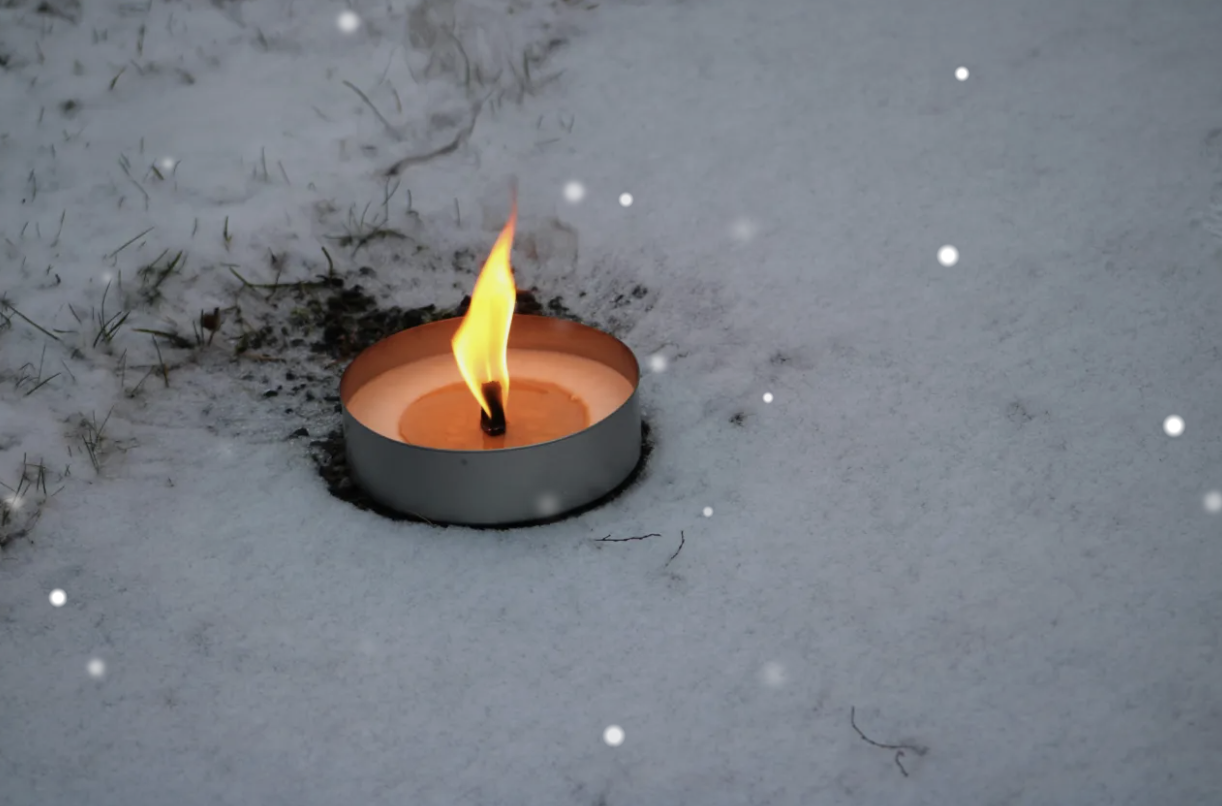
In a quiet, wood-panelled den, there’s a low fire crackling in the hearth. Two leather armchairs face the flames. Don and Ben sit with a small glass of amber sherry each.
You know, Ben, a lot of fireplaces…. I’ve known the best of them. But this… this one has a good heart to it.
There is a soul in a real fire. Something a manufactured flame can never learn.
Right, exactly. The phoney ones spit and hiss. No respect for the burn. This wood here… it’s loyal. Like good oak. I have a place, incredible place, where the oak burns like slow gold.
My grandfather’s house smelled of olive wood. Old, gnarled branches that remembered the sun. The scent was like smoke and memory mixed.
(Taking a slow sip.) This sherry… there’s a story in it. Some sherries are just vinegar wearing a fancy coat. This one speaks up. You can taste the years.
Spanish, I think, Don. It has a quiet voice. A nutty, whispering finish.
Whispering—I like that. Good phrase. It doesn’t shout. It just… sits there, being excellent.
A log settles, sending up a shower of embers that spin and fade.
There. That little collapse. When I was young, I believed each spark was a tiny story ending.
I like a clean end. Not a messy one. Wind, for instance, is messy. Whistling through cracks, no discipline. A fire like this… it’s all agreement. Everything burns on purpose.
Contained, but alive. There is a dignity in that.
Dignity. Sure. Look at that flame, curling up like it owns the air. And maybe it does.
It asks for nothing. Not even our attention.
(Nods, swirling the last gold in his glass.) That’s the real thing. No asking. Just being. We’ll do this again. With my oak. Oak that knows how to hold a flame.
I would like to taste that smoke.
They fall quiet, two old men wrapped in warmth and amber light, speaking of everything and nothing as the fire hums its slow, familiar hymn.
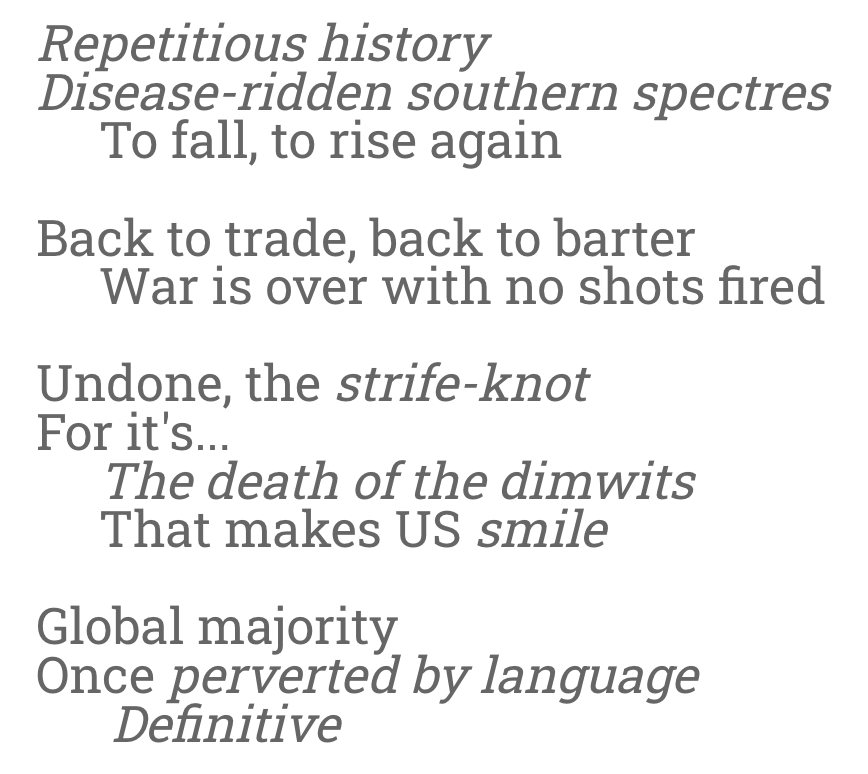
The world clicks by in screens of graphic gain, each hour refined for either profit, loss, or trend. Praising the sharpest tools ever made to explain, yet wondering why these days refuse to bend.
I walk beneath the wires and silent trees and feel a hunger numbers cannot feed. Our minds seem full of malaise and disease, which is surely something none of us need.
I’d trade this clever age, so sure it’s new, to be a Pagan suckled in a creed outworn*, to hear a god breathe as the wind blows through, and see the ocean settle for a new dawn.
These times, obsolete is the wonder, not belief; The myth awakes where certainty may sleep.
The belly up dog rolls in recognition; celebrating the leash, revelling in submission.
In a democratic house, its institutions sing “we are free” until it doesn’t mean anything.
The belly up dog doesn’t need to be told he’s free to roam the lonely nights of cold.
Inspired by a couple of quotes:
we now live in an era when the slaves celebrate their slavery.
Nick Tosches
Democracy is a con game. It’s a word invented to placate people to make them accept a given institution. All institutions sing, ‘We are free.’ The minute you hear ‘freedom’ and ‘democracy’, watch out because in a truly free nation, no one has to tell you you’re free.